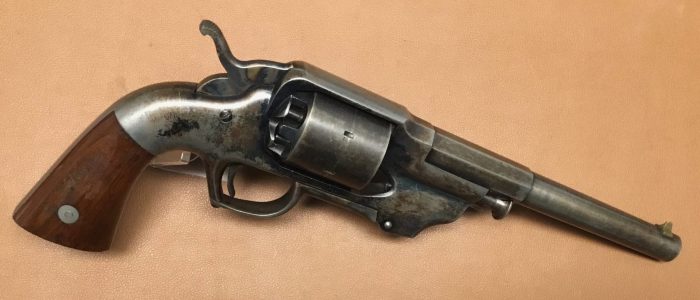
Allen's Center Hammer Percussion Revolvers

Commercial era:

Allen & Wheelock

E. Allen & Co

Content:

Overview

  • Production period: ---From 1861 to around 1866

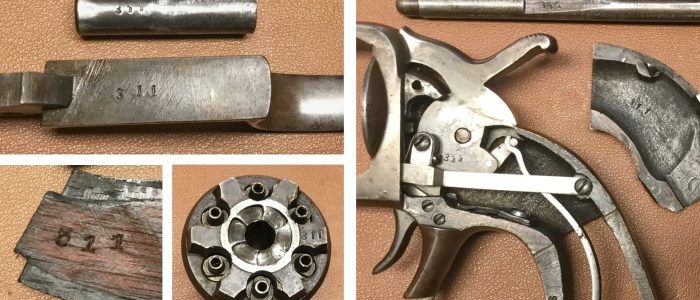
  • Production quantity: ----Official estimates suggest approximately 750 Army models and about 500 Navy models. However, I believe the actual production numbers were significantly higher, as I have observed duplicate serial numbers. This suggests that several production batches may have been manufactured, each with its own serial number range beginning at 1.

It is reasonable to assume that Ethan Allen designed these sturdy revolvers with military use and potential government contracts in mind. Their introduction coincided with the outbreak of the Civil War, placing them in the right market at the right time. Although no direct evidence of government contracts has been found, a number of Army revolvers were held in military inventory, and many surviving examples bear army inspection markings.

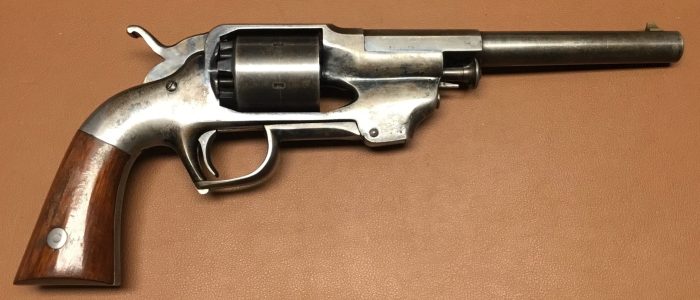
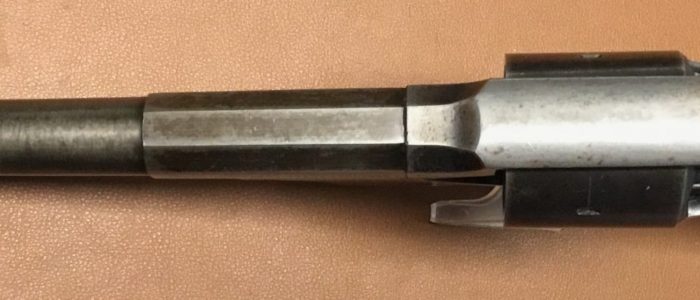
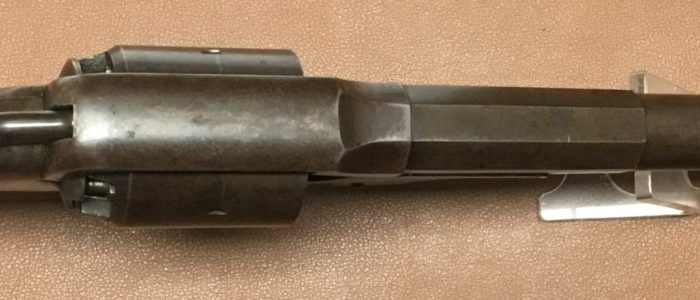
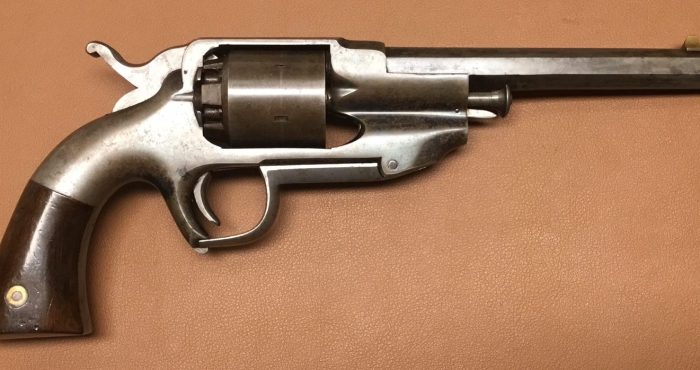
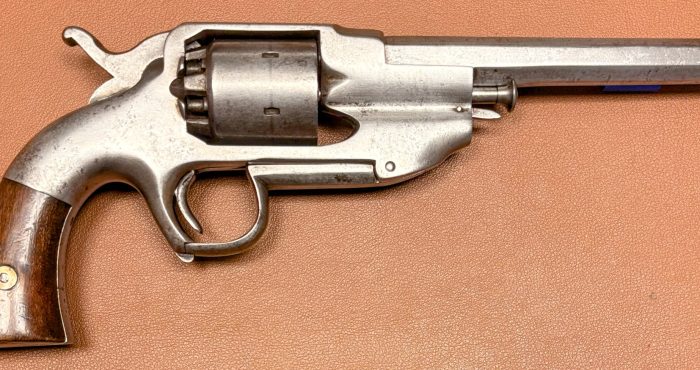
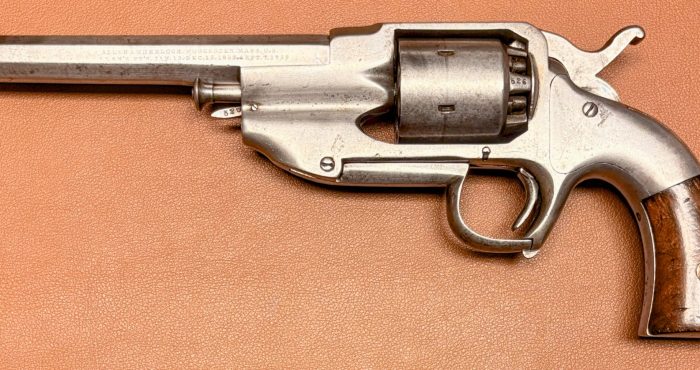
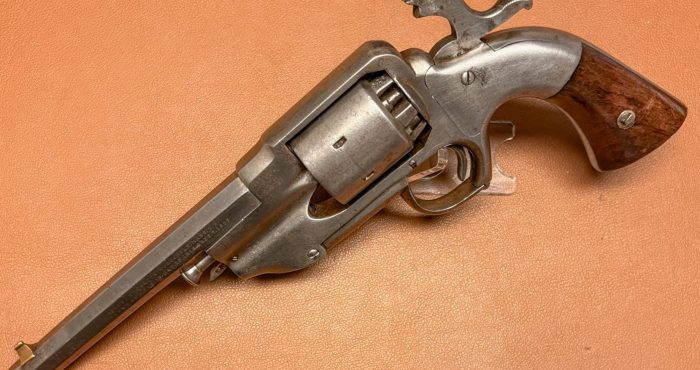
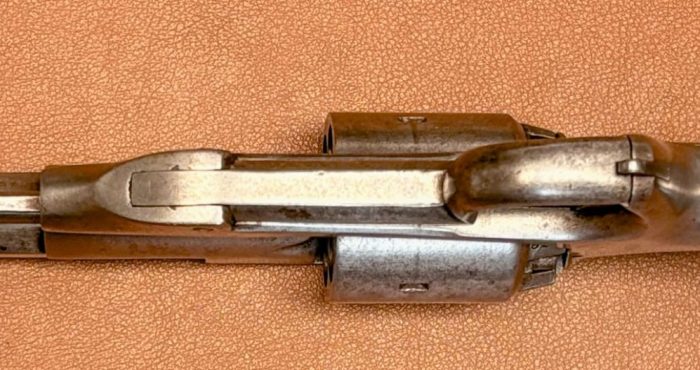
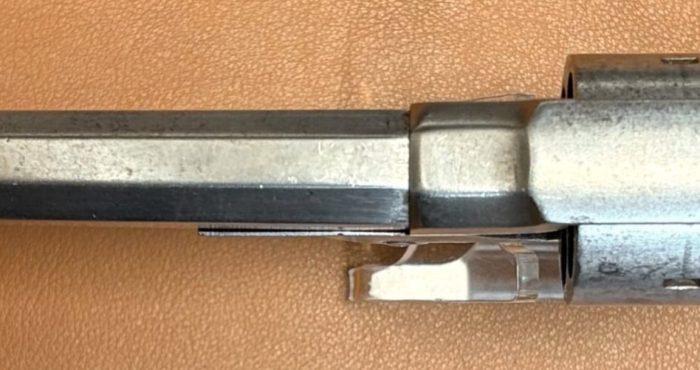
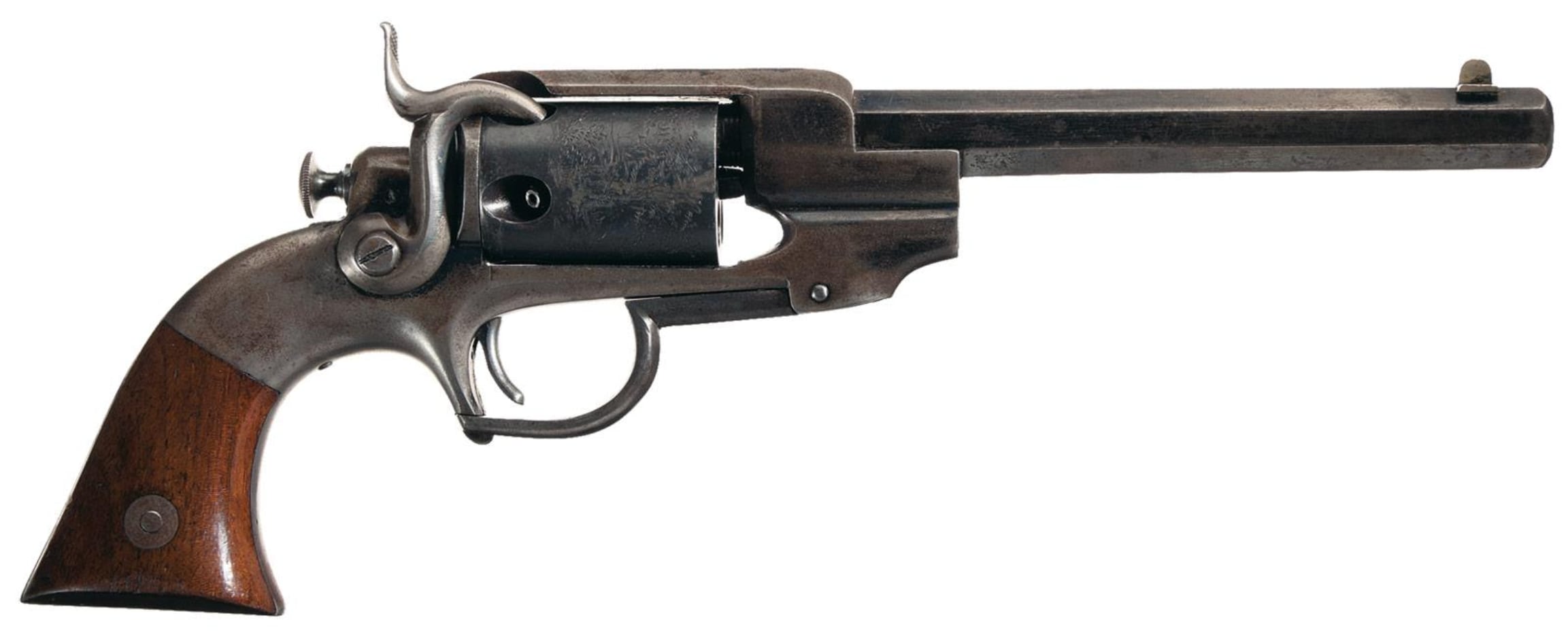
Two models can be distinguished: the .44 Army and the .36 Navy. Both are six-shot revolvers, and aside from size, the primary visual difference lies in the barrel shape. The Army model features a barrel that is half octagonal and half round, whereas the Navy model has a fully octagonal barrel.

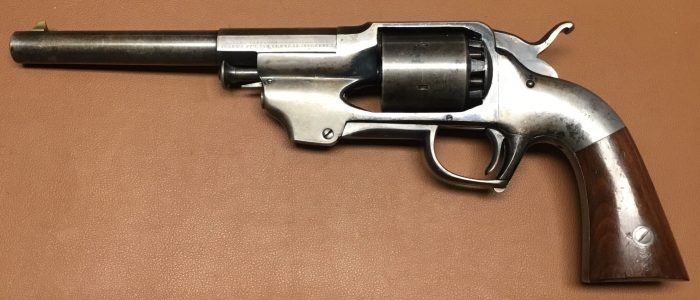
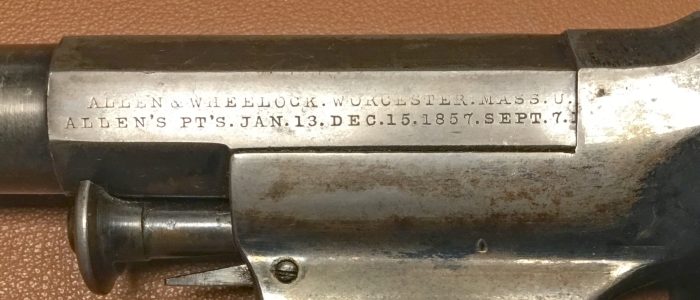
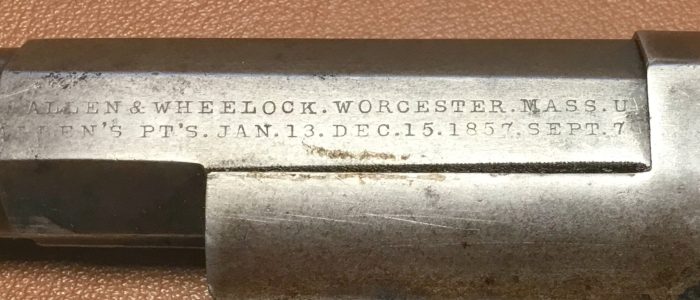
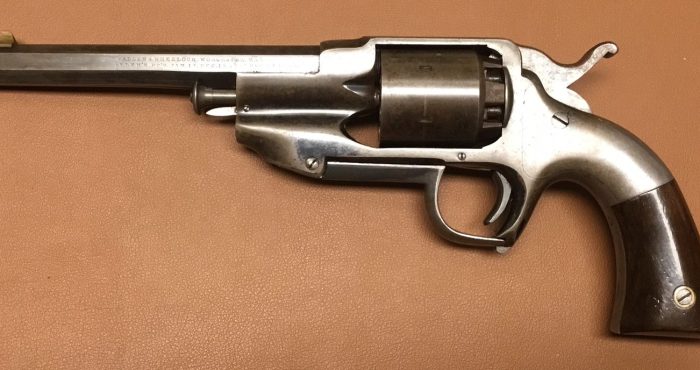
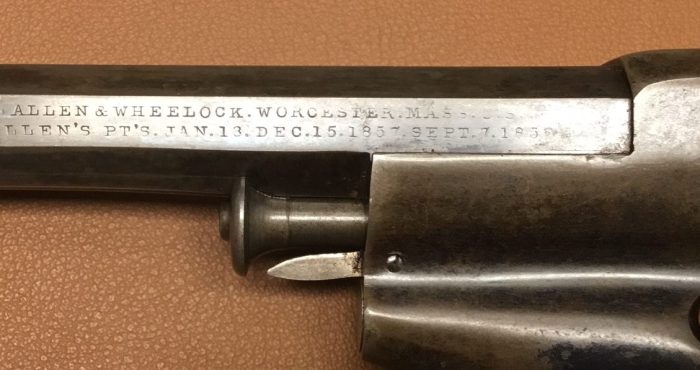
The left side of the barrel is marked: ALLEN & WHEELOCK WORCESTER. MASS. U.S. / PT’S. JAN.13. DEC.15. 1857. SEPT.7.1858. Notably, the last two patent dates do not relate directly to this revolver but instead refer to the Side Hammer models. Conversely, several features covered by other Ethan Allen patents are present but not mentioned in the marking.

The Center Hammer percussion revolvers are almost identical in appearance to the contemporary Center Hammer Lipfire revolver cartridge models produced during the same period. This raises the question of why Ethan Allen continued manufacturing percussion revolvers when the more advanced cartridge systems were already available.

The most plausible explanation relates to the patent held by Rollin White for the bored-through cylinder, which was exclusively licensed to Smith & Wesson. Allen’s Lipfire revolvers infringed this patent. It is therefore likely that he continued producing percussion models as a safeguard, anticipating potential legal action. That legal action did indeed materialize, and in 1863 Allen lost the lawsuit and was compelled to cease production of all cartridge revolvers.

Member of 2nd Regt.,Michigan Vol.Cav. met de .44 Center Hammer Army

Another possible explanation is more commercial than legal. Cartridge firearms were still relatively new technology at the time, and Allen may have viewed them as uncertain in long-term viability. Percussion revolvers, by contrast, were well established and continued to enjoy steady market demand.

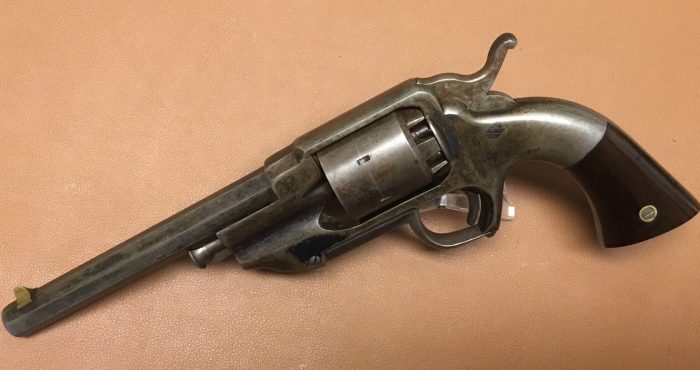
A Center Hammer Percussion Army (First type) and Navy Revolver.
An example of a martially marked Army model. The cartouche “BH” represents the initials of Benjamin Hannis, who served as an Armory Sub-Inspector in 1861.

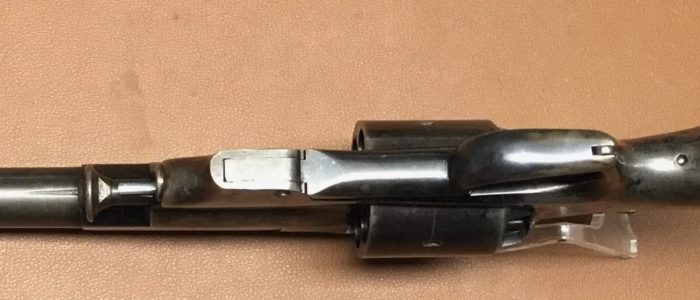
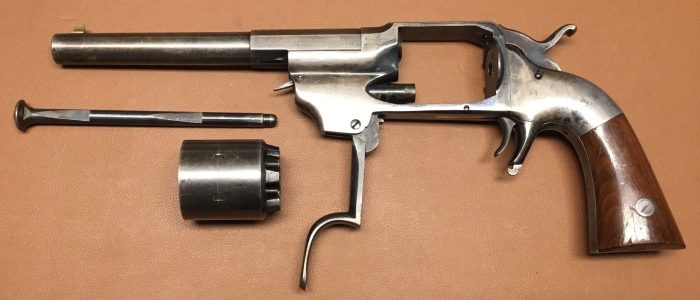
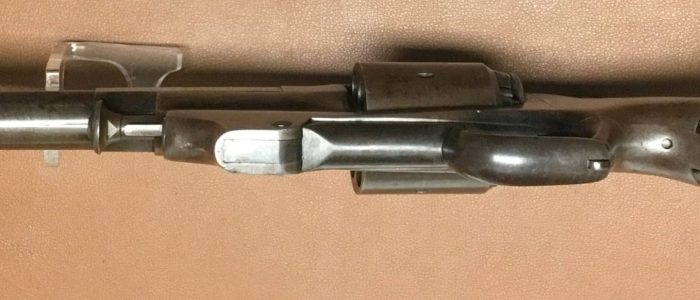
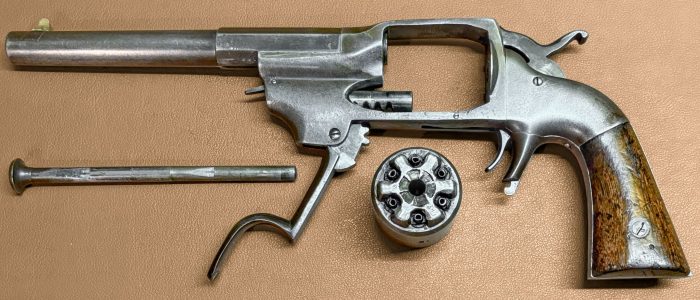
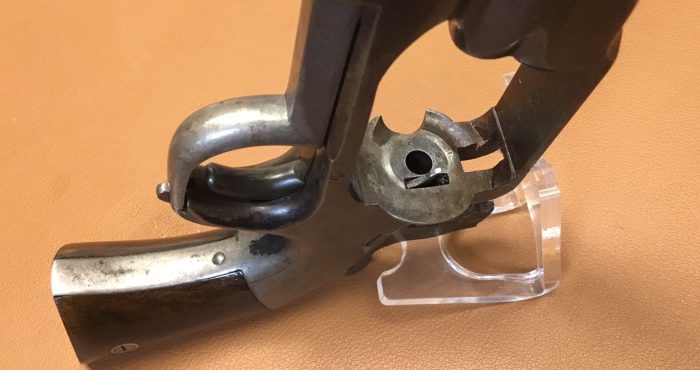
The revolvers retain the characteristic combination of trigger guard and bullet rammer first introduced on the Side Hammer percussion models.

The Army model features a standard 7.5-inch barrel, while the Navy was offered with barrel lengths of 5, 6, or 7.5 inches. It is generally believed that the Army model was produced first, as early examples display distinctive features not found on the Navy models.

While the Navy model only exist in a single variant or type, the Army model however was produced in three main variants or types:

First type
Second type
Third type
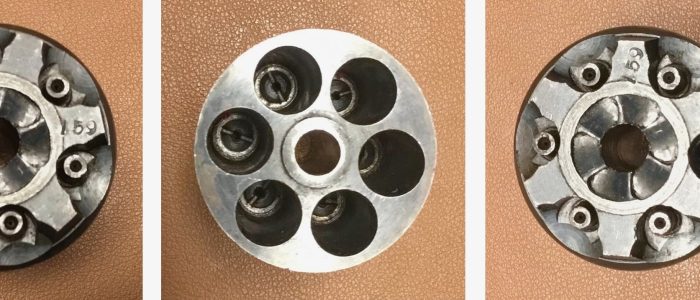
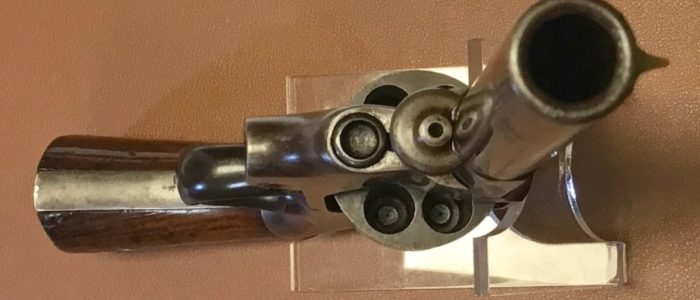
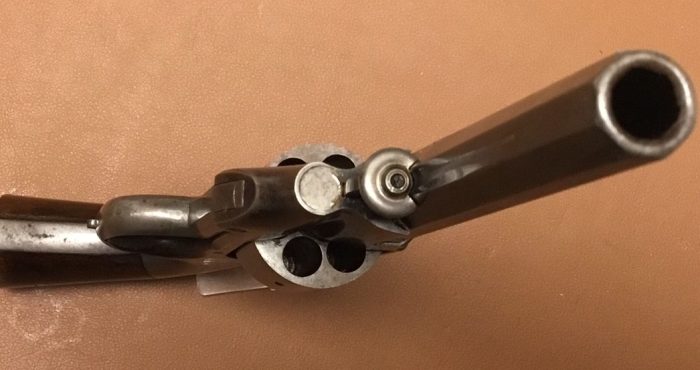
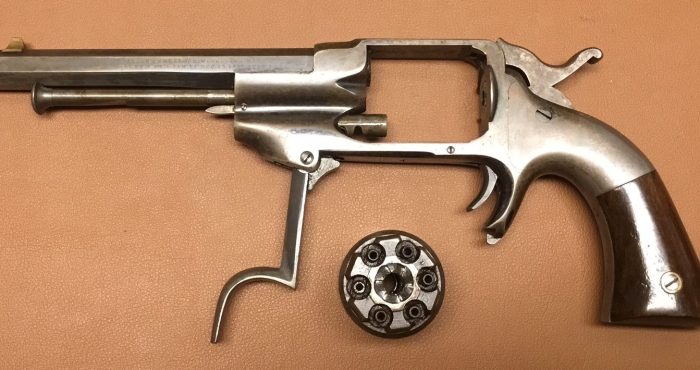
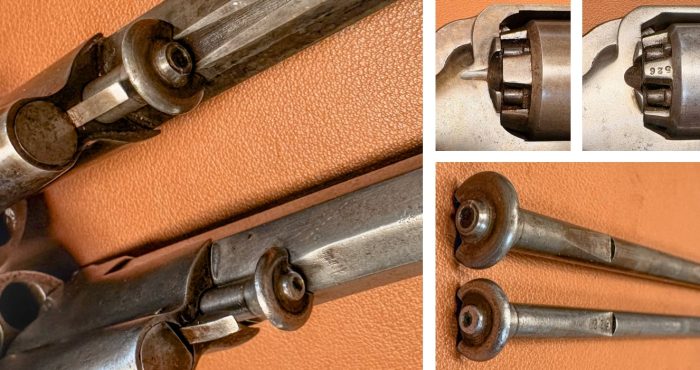
  • First type: The percussion nipples are inserted from the inside of the cylinder chambers. The nipple cutouts have a slight curved profile.
  • Second type: The percussion nipples are of the conventional type, entering from the rear of the cylinder. The nipple cutouts are straight.
  • Third type: Same as the second type, but with the side-plate screw now entering from the left side. These revolvers have no barrel markings and were produced during the E. Allen & Co. era, likely using leftover stock from the Allen & Wheelock period. In addition, third-type revolvers carry four-digit serial numbers beginning at 2001.

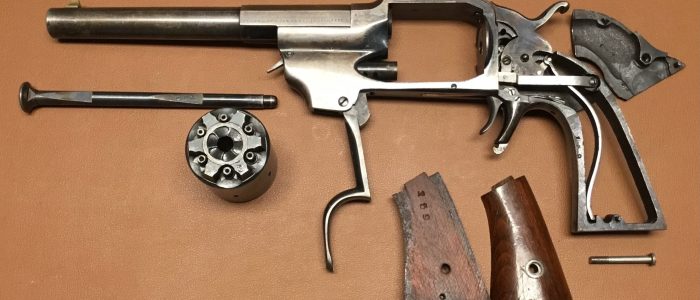
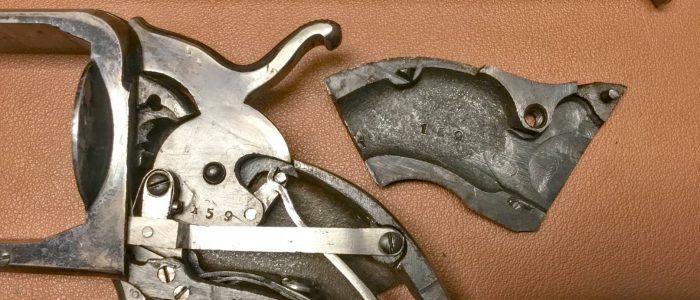
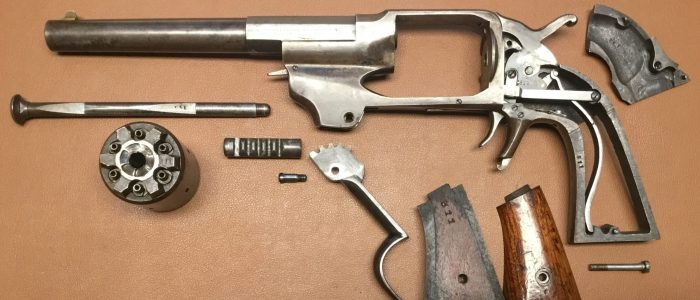
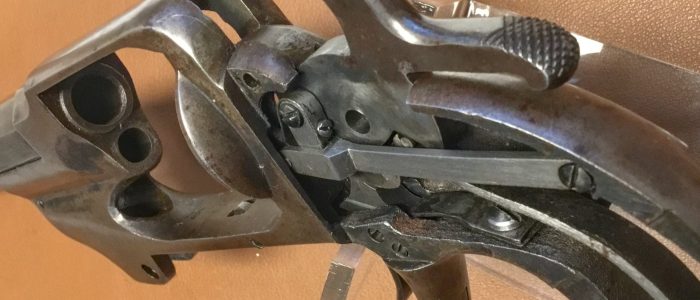
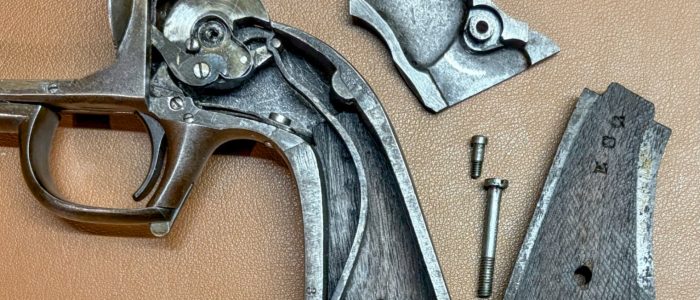
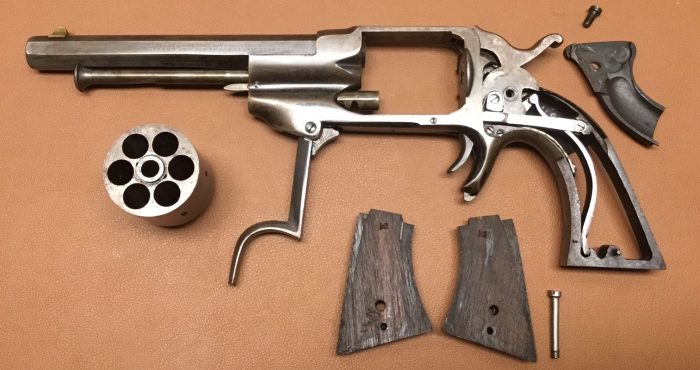
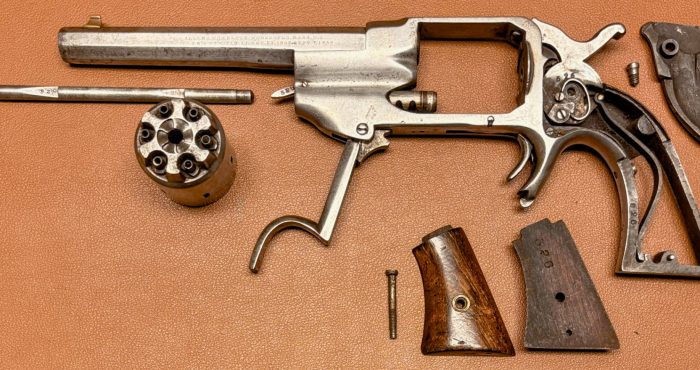
A further distinction can be made based on the type of action. Early models use the so-called hinge-pawl action, while later models employ a simplified mechanism in which the operating hand is connected directly to the hammer. Although this simplified action was not as smooth in operation as the earlier design, it was easier and less expensive to manufacture.

Both action types can be found on Army and Navy models.

The hinge pawn and simplified action
In this advertisement brochure, Ethan Allen proudly claims that his revolver is unsurpassed for simplicity, strength, power of penetration and accuracy of shooting.
COLLECTION

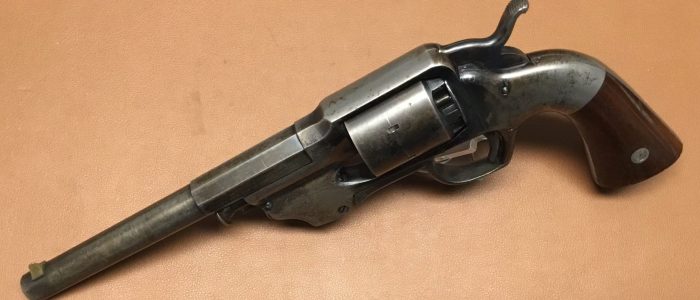
Allen & Wheelock Centerhammer Army Revolver - First type

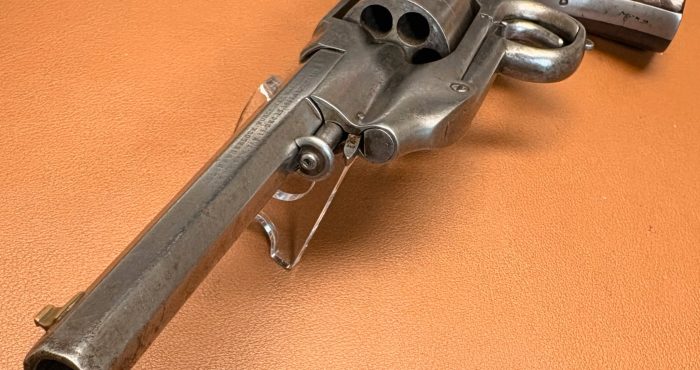
This revolver is a first-type example, with cylinder nipples entering from the inside of the chambers. It also features the early hinge-pawl action. The revolver remains in excellent condition, and it appears likely that it has never been fired.

  • Caliber: .44"

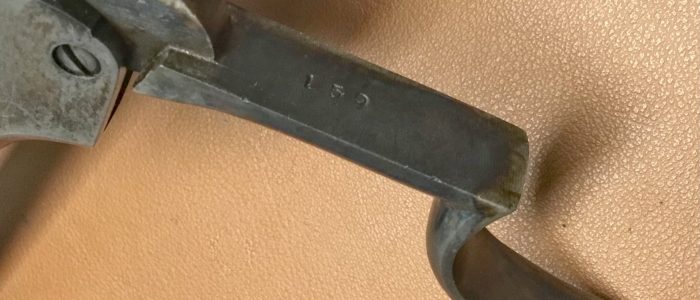
  • Serial number: #159

  • Length: Barrel:19 cm (7,5"), Total:33,7 cm

  • Weight: 1257 gr

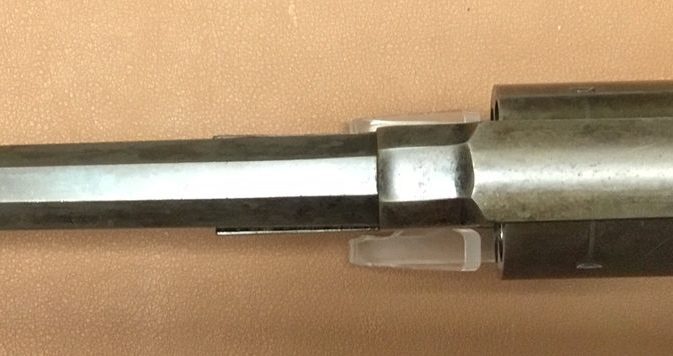
  • Barrel marking: ALLEN & WHEELOCK WORCESTER MASS U / ALLEN'S PT'S JAN.13 DEC.15 1857, DEC.7 1

  • Note: The available space on the barrel flat was insufficient for the complete marking. As a result, the “S” in “U.S.” is truncated on the first line, while only the numeral “1” of the date 1858 appears on the second line.

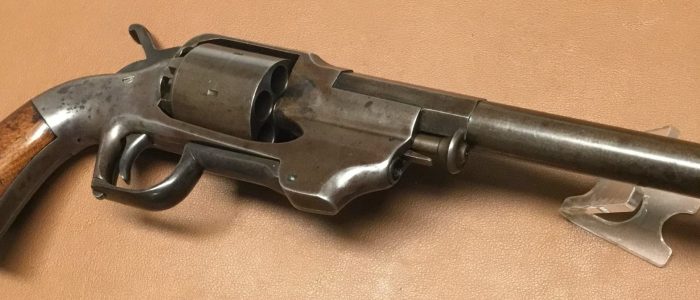
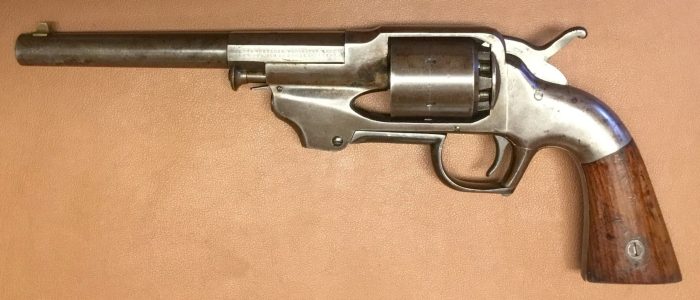
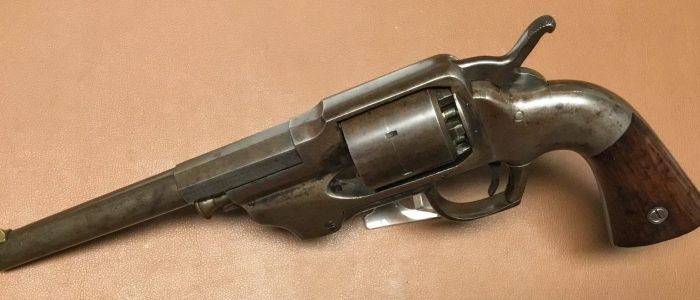
Centerhammer Army Revolver - Second type - Early production

This revolver is a second type having the conventional percussion nipples. It stil has the early type action, the so called hinge pawl type, indicating early production. 

  • Caliber: .44"

  • Serial number: #311

  • Length: Barrel:19 cm (7,5"), Total:33,7 cm

  • Weight: 1301 gr

  • Barrel marking: ALLEN & WHEELOCK WORCESTER MASS U / ALLEN'S PT'S JAN.13 DEC.15 1857, DEC.7 1

  • Note: As with all Army revolvers, the space on the barrel flat was too small to occomodate the full marking.

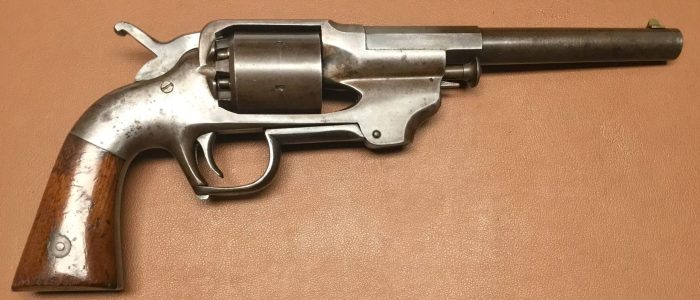
E. Allen & Co Centerhammer Army Revolver - Third type

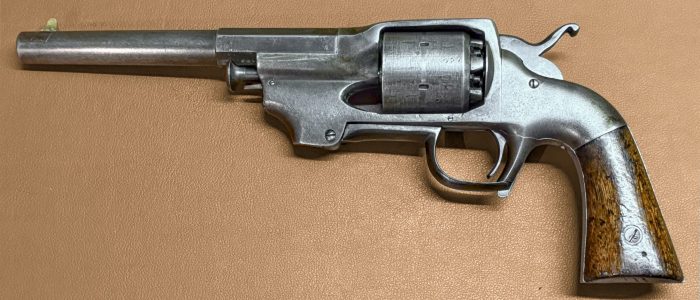
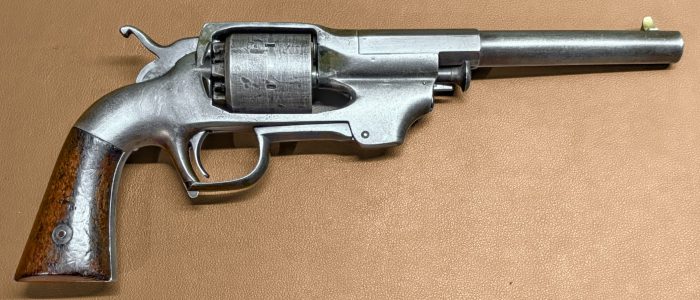
This revolver represents the third type produced during the E. Allen & Co. era, distinguished by the absence of maker’s markings on the barrel. Unlike the first two types, this variant falls within the 2xxx serial number range and features a side plate with a screw entering from the left side.

All third-type examples are fitted with the simplified action.

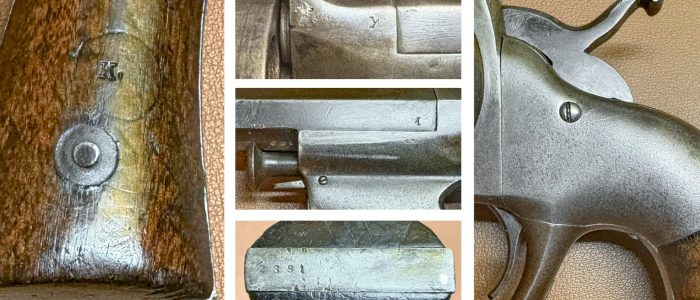
This particular specimen bears the letter “K” on the frame, barrel, and grip; the significance of this marking remains unknown.

  • Caliber: .44"

  • Serial number: #2381

  • Length: Barrel:18,8 cm (7,4"), Total:33,2 cm

  • Weight: 1268 gr

  • Barrel marking: -

From the P.O. Collection 

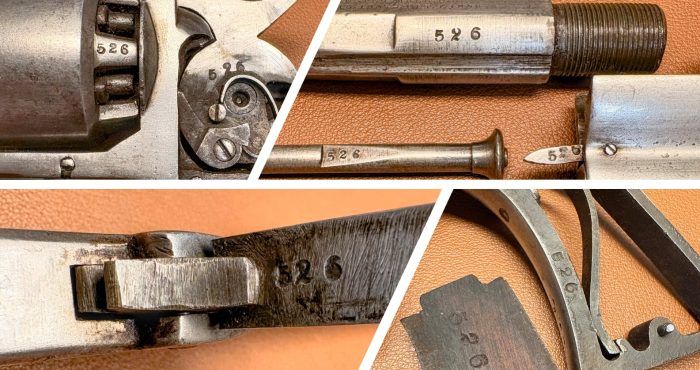
This revolver bears serial number 1. Although I strongly believe that Allen used serial numbers on the Center Hammer revolvers, it cannot be stated with certainty that this is the very first example produced, as Allen likely manufactured several batches, each with serial numbers beginning at 1.

However, the revolver is fitted with the hinge-pawl action, which indicates an early production type. The majority of Navy revolvers were produced with the later simplified action, in which the operating hand that rotates the cylinder is attached directly to the hammer.

  • Caliber: .36"

  • Serie number: #1

  • Length: Barrel:14,5 cm (5,7"), Total:27,7 cm

  • Weight: 806 gr

  • Barrel marking: ALLEN & WHEELOCK WORCESTER MASS US / ALLEN'S PT'S JAN.13 DEC.15 1857, DEC.7 1858